Studio AI
Capture, enhance and standardise every suitable vehicle.

AIIT combines an automotive AI studio with ANNA, our conversational AI, to help New Zealand dealerships merchandise inventory, respond to customers and coordinate the journey from arrival to aftersales.
Capture, enhance and standardise every suitable vehicle.
Create spins, panoramas, hotspots and channel-ready video.
Handle sales, service, parts and finance-administration conversations.
Move approved data and outcomes through dealership systems.
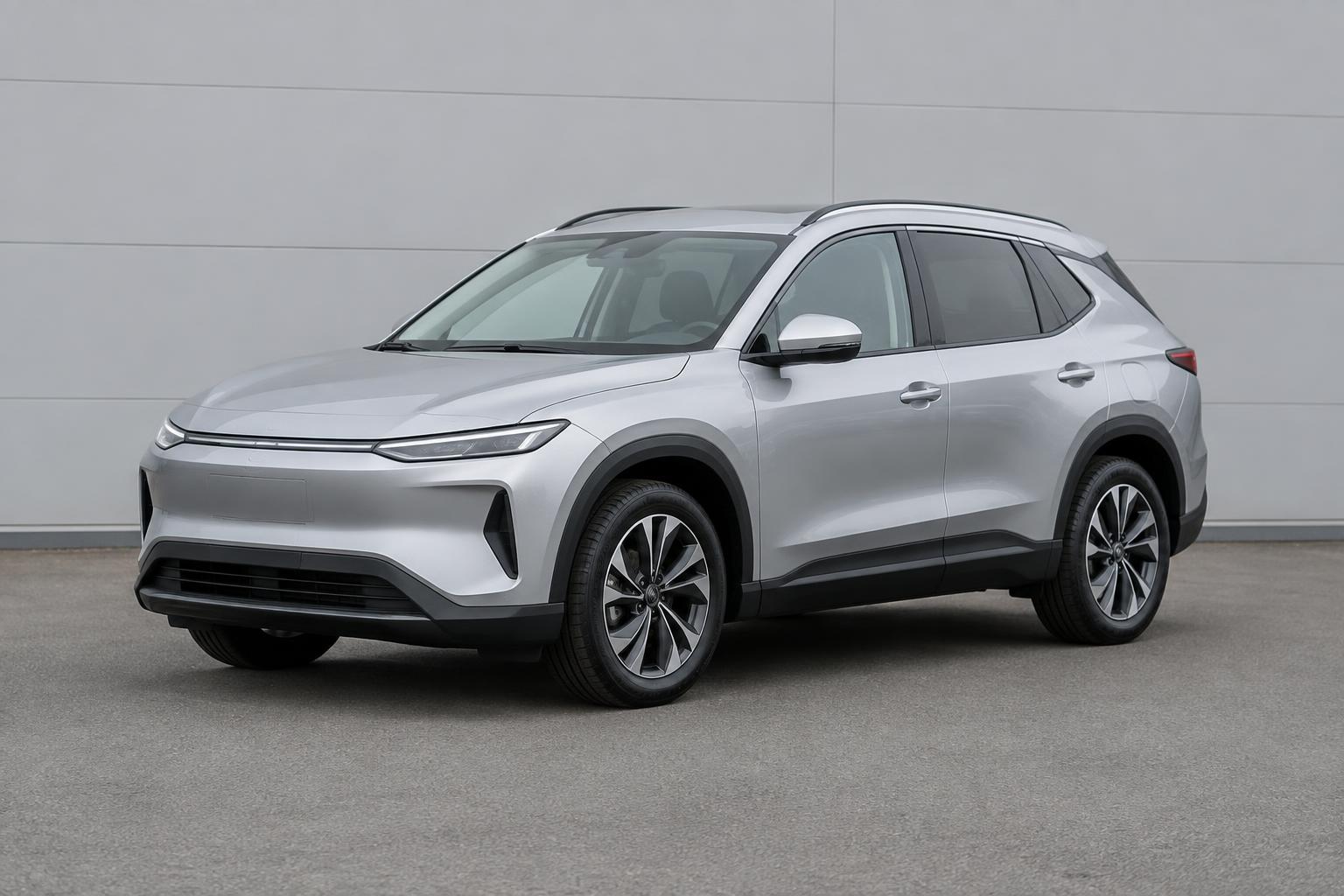
Move the slider to compare the same silver crossover, at the same angle, before and after its approved AI studio treatment.
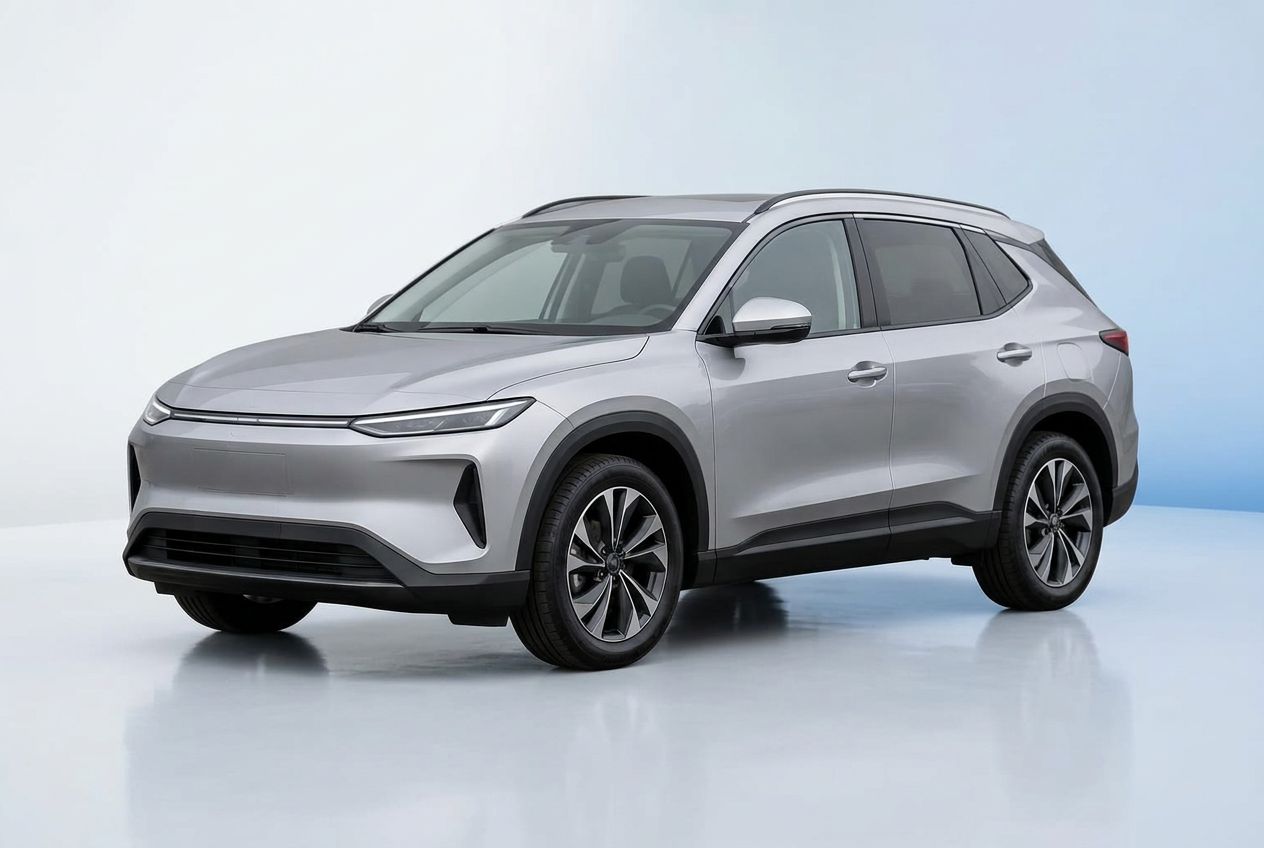 Original AI Studio
Select a treatment to see how the same source vehicle can move through a governed merchandising workflow.
Build repeatable assets around verified vehicle information, brand rules and review controls.
Choose a restrained studio, dealership or campaign setting while keeping the actual vehicle easy to inspect.
Individual models and checks coordinate the visual details that make inventory presentation coherent.
Maintain believable contact between vehicle and floor.
Prepare clear derivatives for larger digital placements.
Balance difficult lighting across an inventory set.
Isolate the vehicle for controlled environments.
Keep paint and trim presentation faithful and coherent.
Reduce distracting reflections without hiding condition.
Apply approved presentation rules to vehicle glass.
Position dealership identity consistently across formats.
Maintain believable contact between vehicle and floor.
Prepare clear derivatives for larger digital placements.
Balance difficult lighting across an inventory set.
Isolate the vehicle for controlled environments.
Keep paint and trim presentation faithful and coherent.
Reduce distracting reflections without hiding condition.
Apply approved presentation rules to vehicle glass.
Position dealership identity consistently across formats.
The same operating pattern can support an independent retailer, multiple sites or a central merchandising team.
Staff follow a guided sequence using an everyday mobile device.
The workflow creates consistent images, privacy treatments and branded derivatives.
Teams focus attention where data, source quality or policy needs a decision.
Approved media is prepared for the website, marketplaces and campaigns.
AI accelerates production; your team retains authority. Source accuracy, condition, pricing, publication and exceptions remain governed by dealership policy.
AIIT brings automotive visual merchandising and conversational capabilities into a fully AIIT-branded dealership solution, configured around your operation and presented as ANNA.
The capability is designed around how a vehicle appears when a customer discovers it and what happens when that customer begins a conversation. The feature set below is comprehensive, but every deployment is scoped against the dealership’s systems, policies and available integrations.
Create a controlled production line for vehicle photography, interactive exploration, video and publishing quality.
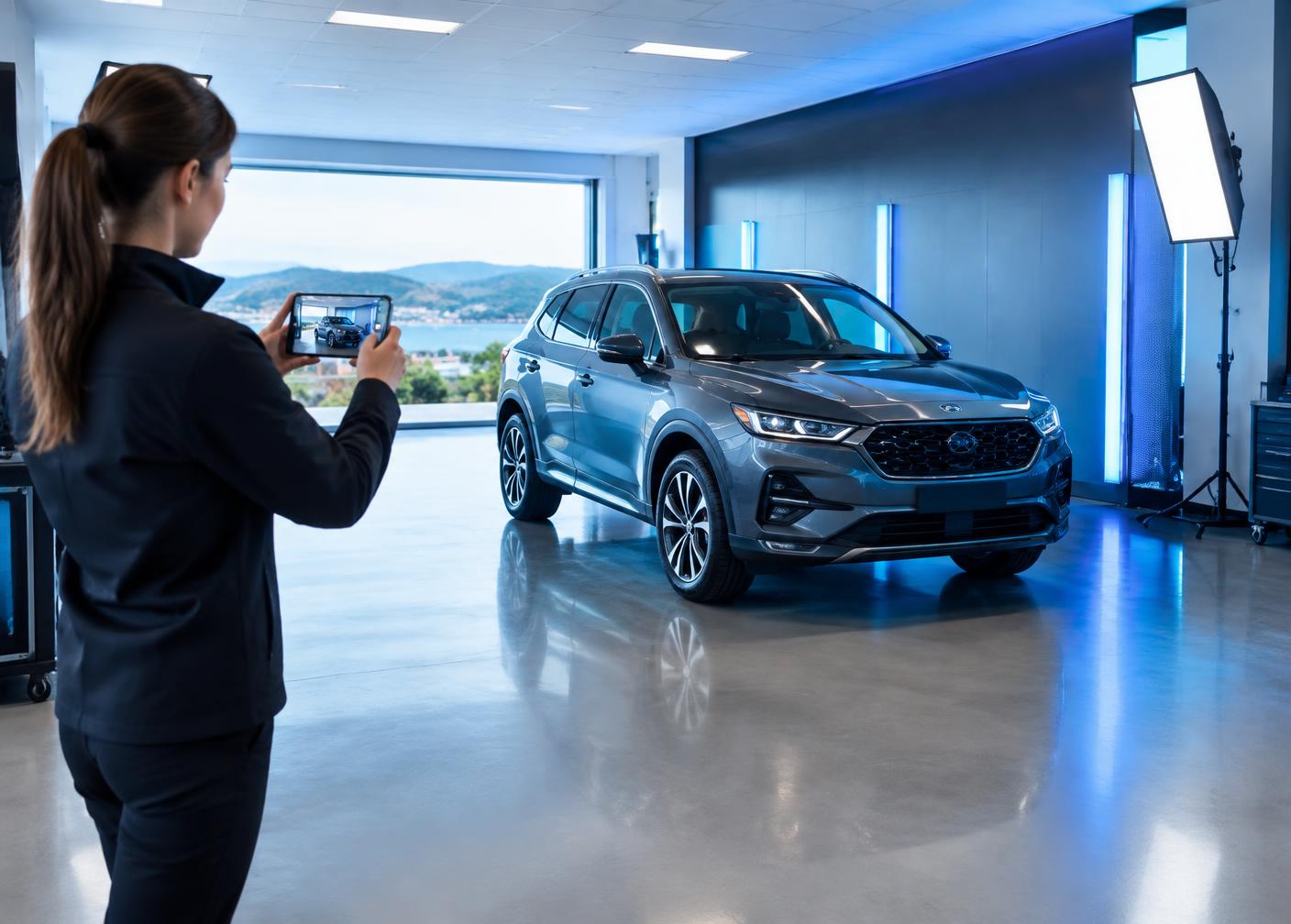
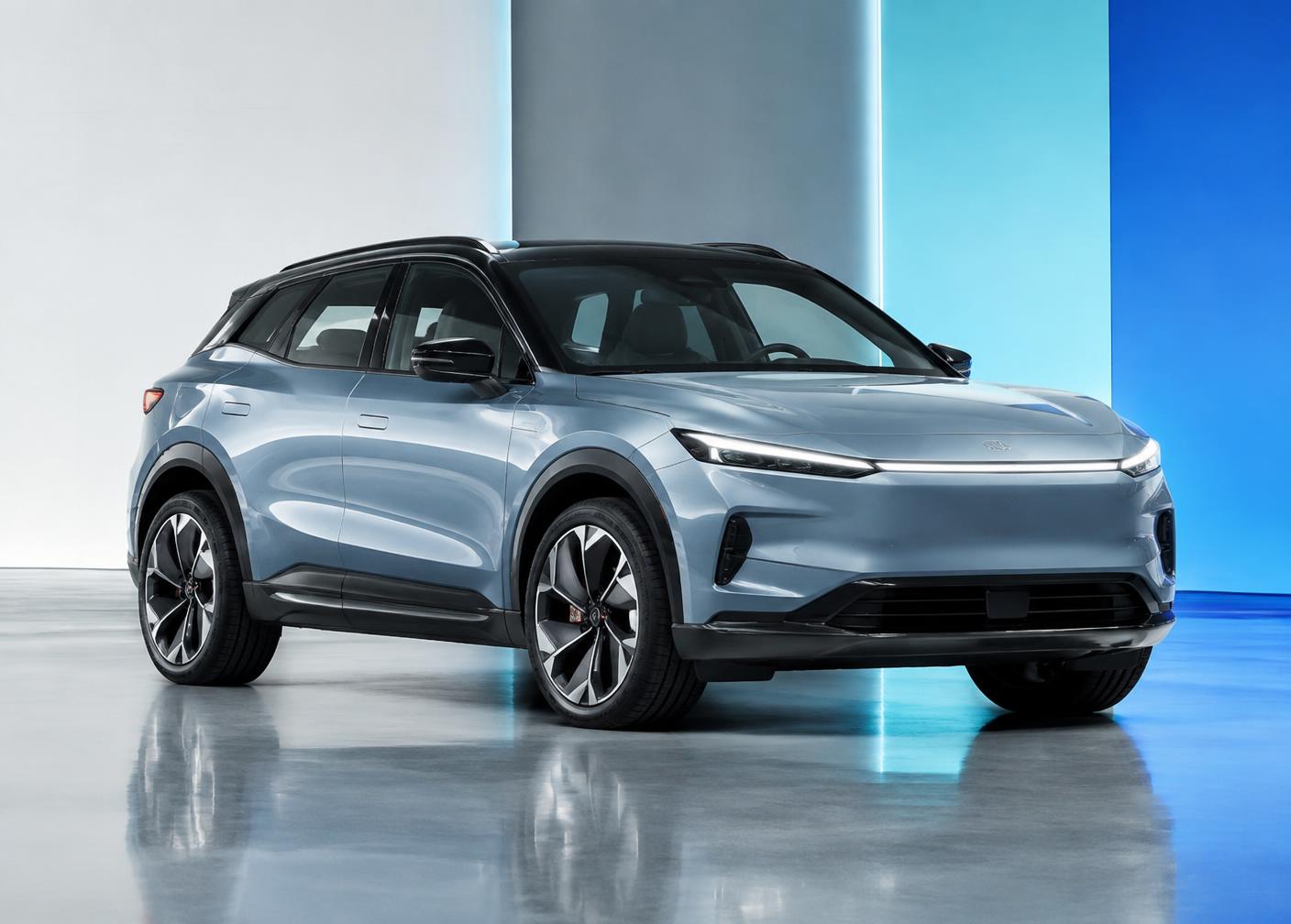
A repeatable angle sequence, framing guidance and immediate quality checks help staff collect a complete source set beside the vehicle.
Exposure, colour, clarity and reflections can be balanced while preserving an honest representation of the actual vehicle.
Approved digital studios or location treatments create a consistent identity without a physical photography bay at every site.
Registration details, distracting floors and unsuitable surroundings can be treated according to dealership publishing policy.
A smooth interactive rotation lets shoppers pause at the angle that matters to them and inspect body lines remotely.
Immersive cabin views help customers understand seating, controls, trim, space and equipment before visiting.
Verified equipment can be called out at the relevant point in a spin or tour instead of disappearing in a long feature list.
A guided walkaround can become a structured gallery and rich-media package without separate production for every format.
Approved source media can become listing, social and campaign videos with controlled pacing, branding and disclosures.
Appropriate sharp derivatives support dealer websites, marketplaces, campaigns and larger inventory displays.
Required angles, image dimensions, visual consistency and missing information can be checked before publication.
One governed vehicle record can feed destination-specific galleries, descriptions and media while preserving approval controls.
ANNA can work across voice and digital channels using approved knowledge, inventory context, calendars and handover rules.

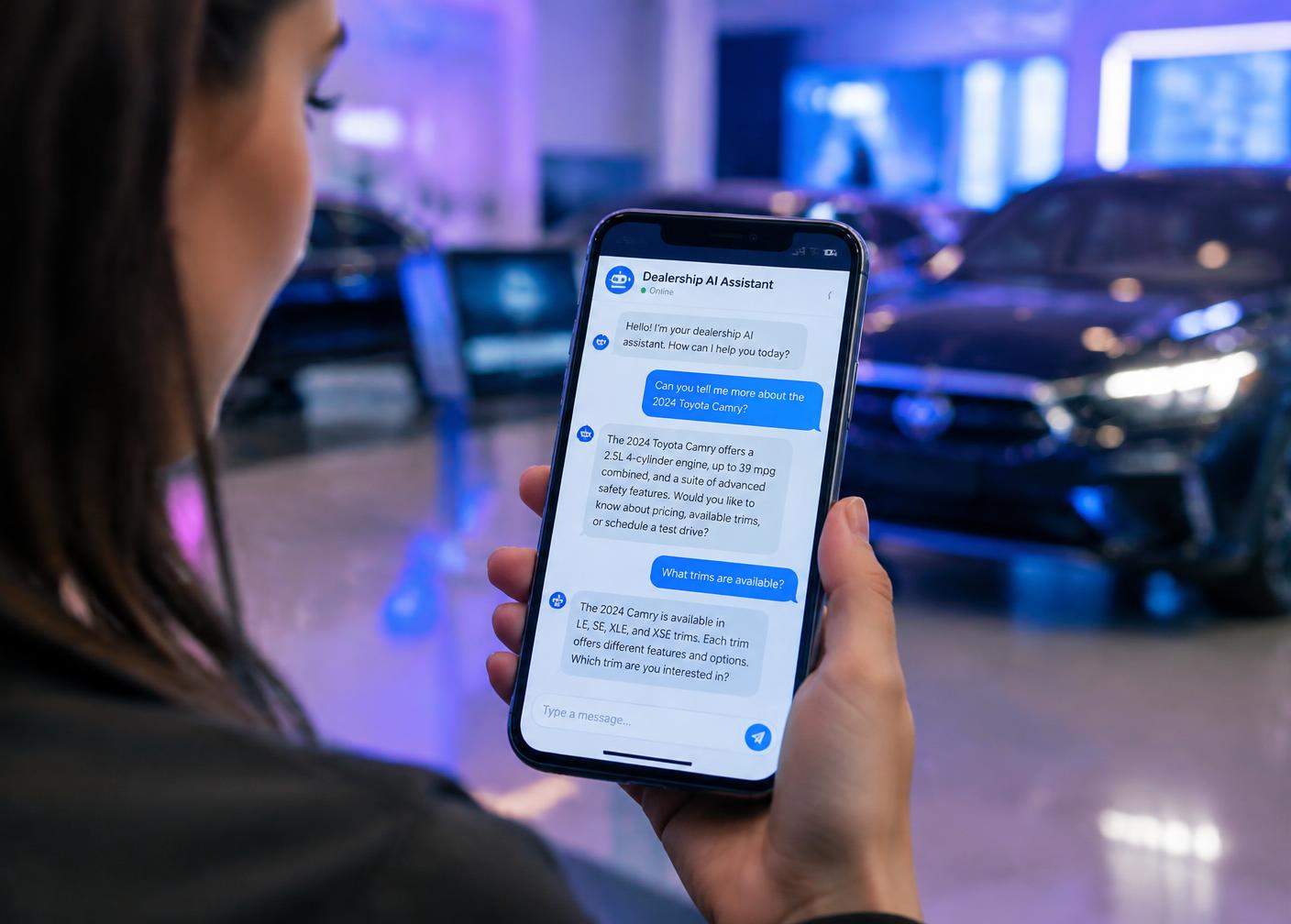
ANNA can identify the vehicle, answer approved questions, capture intent and arrange a test drive or salesperson follow-up.
Customers can describe budget, body style, fuel type, use case and timing without navigating rigid filters.
ANNA gathers make, model, year, kilometres, condition and ownership context, then routes the request for appraisal.
She can explain an approved process and arrange contact without giving personal advice, promising approval or making a lending decision.
Customers can request servicing, WOF support, diagnostics or repairs with dates, transport needs and useful symptoms captured.
Registration or VIN, vehicle details, required item and pickup or delivery preference become a structured parts request.
Voice, chat, SMS and email enquiries can receive a useful response while the showroom or workshop is closed.
Approved journeys can reconnect with unsold leads, service customers, lease milestones and customer-requested callbacks.
Customers can book, confirm, reschedule or cancel against connected availability and dealership rules.
Sensitive, unusual, high-intent or low-confidence conversations transfer with history and a concise summary.
Calls and messages can create transcripts, structured fields, outcomes and tasks for connected dealership systems.
Where configured and tested, ANNA can support several languages while retaining the same workflow boundaries.
Create or import the vehicle record and reconcile the information required before merchandising.
Complete readiness gates, then collect exterior, interior and feature material in a guided sequence.
Apply the approved studio, corrections, privacy rules, crops and visual treatments.
Generate the gallery, spin, panorama, hotspots and video formats appropriate to each channel.
Resolve exceptions, approve the description and distribute the package to selected destinations.
ANNA responds with current, approved vehicle and dealership information.
Capture preferences and timing, then arrange the right appointment or team handover.
Review readiness, response, appointment progression and quality to refine the operating model.
Automotive retail is often described as a sales challenge, but the customer experiences a much wider chain. A vehicle must be acquired, identified, prepared, photographed, described, priced, published, discovered, discussed, inspected, demonstrated, financed, delivered and supported. Every break between those stages creates delay or uncertainty. A strong gallery cannot rescue an enquiry that sits unanswered overnight, and a rapid response cannot build confidence if the listing is incomplete. AIIT brings visual merchandising and conversational AI into one operating story so digital presentation and customer conversation reinforce each other.
The solution combines automotive retail technology with AIIT implementation, workflow design and New Zealand operating context. The studio helps create consistent vehicle imagery, interactive views and promotional media. ANNA, AIIT’s conversational AI, handles approved interactions across voice and digital channels. Together they help make inventory market-ready with less manual friction, then make it easier for a shopper or owner to take the next useful step. Commercial judgement, inspection, responsible lending, diagnosis and relationship-building remain with qualified people.
An independent yard may prioritise simple capture and dependable after-hours response. A franchise site may need visual controls across departments and campaigns. A dealer group may need shared governance with location-specific stock, calendars and escalation. A marketplace may need submission quality across many contributors. The design starts with that operating model because the right balance of automation and human involvement depends on inventory, systems, brand obligations and customer expectations.
A newly acquired vehicle begins accumulating holding cost before it appears online. Yet the first day can disappear into keys, worksheets, yard movements, workshop queues, grooming and uncertainty about who owns the next task. A connected intake workflow creates a visible record when the vehicle enters the dealership. Stock number, VIN, registration, acquisition source, model details, odometer, trim, colour, keys, condition notes and preparation status can be reconciled against the dealer management system. Missing information becomes an exception to resolve rather than a reason for the process to stall silently.
Merchandising can be linked to preparation gates. A vehicle may need mechanical inspection, grooming, paint correction, accessories or compliance work before final capture. The dealership can define when provisional content is acceptable and when a new image set is required. Teams can see which vehicles are waiting, ready for capture, awaiting review or approved for publishing. That visibility is valuable across multiple sites, where a central team needs to understand progress without chasing every update by phone.
AI does not determine roadworthiness or conceal defects. Its role is to improve the flow of information and production work. Condition observations can be recorded, required angles enforced and approved treatments applied consistently. A manager remains responsible for listing accuracy and material condition. This boundary protects trust: enhancement should make the actual vehicle easier to inspect online, not create a misleading specification, finish or history.
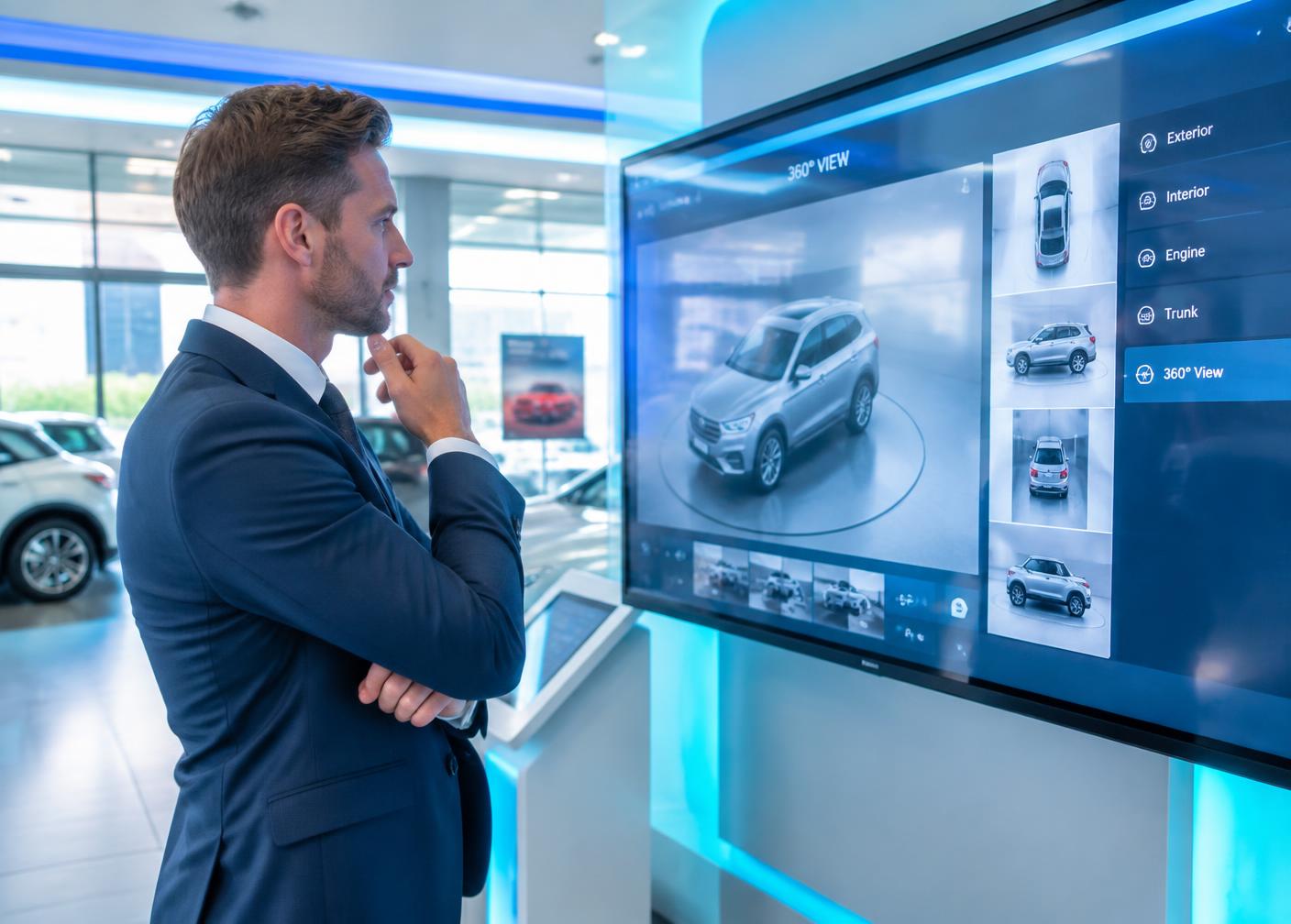
Vehicle photography often depends on weather, space and individual technique. One car is shot in harsh sun, another against a crowded fence and a third under mixed workshop lighting. Guided capture gives staff a repeatable mobile sequence: establish orientation, align required angles, maintain useful distance, avoid obstruction and confirm every essential view. Immediate feedback reduces the chance that a blurred dashboard or missing rear quarter is discovered after the vehicle has moved elsewhere.
The sequence should reflect inventory and destination. A used-vehicle listing may require a disciplined exterior set, cabin, instruments, infotainment, seats, tyres, luggage space and notable features. Premium stock needs closer treatment of materials and options. Commercial vehicles need load areas, access points, deck condition, towing equipment and dimensions. AIIT configures the brief around the selling task rather than assuming one checklist fits everything.
Good capture remains the foundation of good output. Enhancement cannot responsibly invent a feature, repair damage or reveal detail never recorded. Quality gates let staff recapture an unusable angle while still beside the vehicle and let reviewers distinguish processing issues from missing source material. One approved source set can then support galleries, spins, videos, campaigns and later customer questions.
The studio transforms approved photographs into a consistent dealership presentation. Backgrounds can be cleaned or replaced, framing standardised, exposure balanced and distracting reflections or floor clutter reduced. Shadows and floor contact matter: the vehicle should appear grounded and credible, not pasted into a scene. Treatments may use understated architecture, a dealership environment or a campaign background, but every choice should support inspection rather than compete with the vehicle.
Consistency improves comparison. When every listing uses different crops, horizons and lighting, shoppers spend attention decoding presentation instead of comparing stock. A stable system creates rhythm across search results and detail pages and helps the dealership remain recognisable on marketplaces. AIIT can define related treatments for new, demonstrator, used, certified, commercial and premium inventory.
Controls are explicit. Plates may require blurring, while badges, wheels, accessories and body details must remain faithful. Interior materials should retain realistic colour and texture. Enhancement intensity should be limited so condition is not overstated. Human approval can be required for high-value, unusual or low-confidence outputs. Automation increases production capacity without surrendering the judgement that protects credibility.
A complete gallery answers many questions, but interactive media gives shoppers control. A 360° exterior spin lets a customer rotate the vehicle and pause at the angle that matters. An interior panorama supports consideration of driving position, controls, seating and cabin space. These experiences help remote shoppers and after-hours researchers decide whether a visit is worthwhile. They do not replace inspection; they make early consideration more informed.
Feature hotspots connect visible details to concise, approved explanations. A hotspot might identify adaptive lighting, a tow bar, charging port, driver-assistance camera, powered tailgate or seating configuration. That is more useful than burying every feature in a text list. Hotspots should use verified stock information and be reviewed when equipment varies by trim or import specification. ANNA can use the same feature record, aligning the visual and conversational experience.
A guided walkaround can support an automatic catalogue containing a gallery, rotation and video package. Compatible 360° camera workflows can provide dedicated panoramic capture. The point is not novelty. It is the ability to create useful inspection material for more inventory, including vehicles that would never justify a conventional production crew.
Video communicates stance, proportions and features quickly, but manual editing makes broad coverage difficult. The workflow can assemble approved images or walkaround material into consistent tours with controlled transitions, crops, feature callouts and dealership identity. A detailed listing tour prioritises inspection; a vertical social version leads with strong angles; a campaign variant focuses on a category or approved offer.
Templates provide control without making every vehicle identical. The dealership defines pacing, logo position, typography, audio policy, disclosures and viewing order. Model, year, kilometres and price come from the approved inventory record, not visual guesswork. If those details change, affected derivatives can be identified rather than leaving outdated media in circulation.
Distribution remains deliberate. Dealer websites, marketplaces, email, social and paid media each have different dimensions and behaviour. AIIT maps those requirements and the approval flow. The result is a repeatable content engine rather than a folder of disconnected exports. Results still depend on the vehicle, price, offer and audience, so production efficiency is measured separately from sales outcome.
A polished gallery is one part of a credible listing. Customers also need accurate model, variant, powertrain, transmission, kilometres, registration status, colour, equipment and condition context. Inventory intelligence can combine the dealer management record, appraisal material and approved media, then flag gaps. It can structure descriptions and feature groups, but the final listing remains anchored to facts about that vehicle rather than generic model assumptions.
Destinations impose different rules. A marketplace may require a taxonomy and image order; a dealer website supports richer media; an advertising feed needs short fields. Publishing logic maps one governed record into those formats. Repricing, reservation, sale or transfer can update destinations according to the integration model. The goal is fewer manual copies and less contradiction, not uncontrolled automatic publishing.
Quality control measures completeness: required images, dimensions, centring, privacy steps and data fields. It also identifies listings waiting too long at a stage. Managers gain a practical queue of vehicles ready to approve, blocked by information or needing recapture. Merchandising performance becomes visible without pretending a computer can decide every commercial or compliance issue.
Vehicle enquiries often begin simply: is it available, can I view it tomorrow, do you take trade-ins, or does this variant have a feature? If an answer arrives much later, the shopper may already be elsewhere. ANNA can respond immediately using current inventory and approved knowledge, clarify the vehicle, answer bounded questions, capture contact preferences and offer a useful next step without forcing a long generic form.
Qualification should feel like service, not interrogation. ANNA can discuss timing, budget range, use, body style, fuel type, transmission, trade-in and location as the conversation develops. If the customer knows the exact stock item, she avoids needless discovery. She can offer approved alternatives at another branch or in a related category. The dealership controls recommendations and statements requiring confirmation.
When the customer is ready, ANNA can check approved availability, arrange a test drive and collect preparation details. The salesperson receives the transcript, vehicle, questions, appointment and unresolved points. Negotiation, complex finance, disputed details and sensitive situations move to a person rather than being improvised beyond ANNA’s authority.
ANNA can answer inbound dealership calls with an approved voice and manner, recognise intent and enter the sales, service, parts or finance-administration workflow. She can support overflow and after-hours coverage while allowing natural questions, interruption, correction and a request for a person. Where permissions allow, the called number, department, campaign, inventory, calendar and interaction history can make the conversation more relevant.
Chat supports browsing assistance, SMS supports concise confirmations, email carries longer summaries and social messaging can capture early interest where supported. ANNA’s personality and rules remain consistent while information changes to fit the channel. A customer can discover a listing, ask in chat, receive an SMS confirmation and call later without every step becoming an unrelated lead.
Outbound journeys can support missed-enquiry follow-up, appointment confirmation, service reminders, lease milestones and requested callbacks. Campaigns need consent, timing, suppression and stop rules. Sensitive information should not move into an unsuitable channel, and uncertain identity should not merge records automatically. Omnichannel means coordinated service, not broadcasting the same message everywhere.
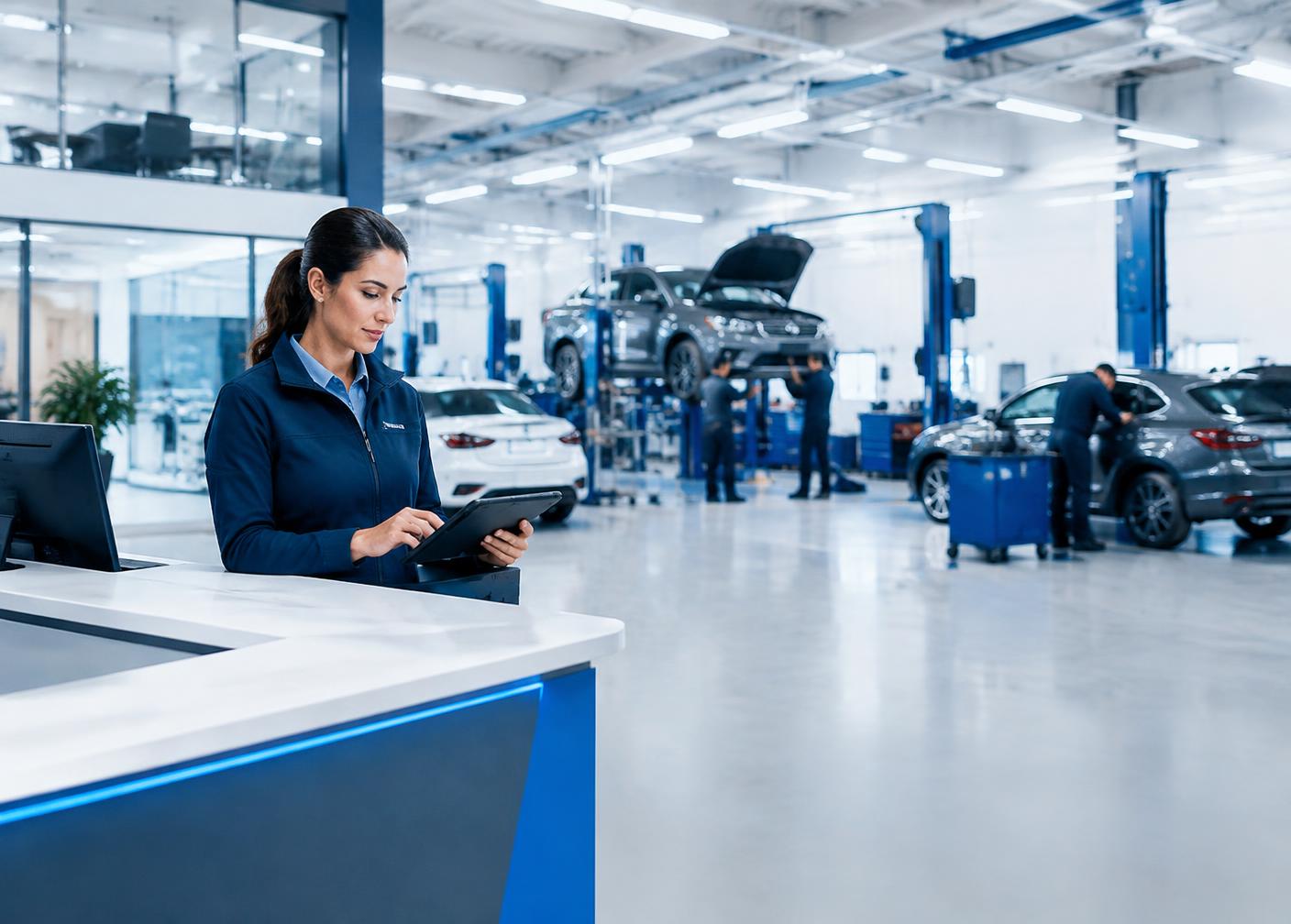
Service has a different rhythm from sales. Calls cluster around opening, customers may not know technical terms, loan vehicles are limited and capacity depends on job type. ANNA can begin with the goal: routine service, WOF support, warning light, unusual noise, repair follow-up, recall question or booking change. She captures vehicle, symptoms, urgency, dates, transport needs and contact details, then enters the correct scheduling or adviser workflow.
ANNA must not diagnose faults or promise that a vehicle is safe to drive. Safety-critical descriptions trigger approved guidance or immediate escalation. Duration and parts availability come from connected rules or staff confirmation. Within those limits, she can explain opening hours, drop-off, collection, courtesy transport and service inclusions, then provide written confirmations and reminders.
After a visit, ANNA can support authorised follow-up, structured feedback and future maintenance reminders. A joined history helps the next interaction start with context, but access remains role-based and proportionate. The customer receives continuity from first vehicle question through delivery, servicing, accessories and eventual replacement without being trapped in departmental inboxes.
Parts enquiries often lack the information needed for a safe answer. ANNA can collect registration, VIN, model, year, symptoms, item, pickup location and timing. She explains that compatibility and availability may require confirmation rather than presenting a guess as fact. The parts team receives a structured request with fewer missing fields.
With a validated catalogue or inventory connection, ANNA can support bounded stock checks, lead times and collection options. Prices come only from an approved source. For accessories, she can identify the vehicle and goal, collect fitting requirements and arrange consultation. Hotspots on a listing can also lead directly into a conversation about supply and installation.
Internal dealership users may use the same governed knowledge instead of repeatedly interrupting the parts counter. The assistant never bypasses technical verification where fitment, warranty or safety is uncertain. It organises a cleaner queue while specialists retain authority.
ANNA can collect make, model, variant, year, kilometres, registration, ownership, service history, keys, finance status, known damage and intended replacement. She can invite approved photographs or arrange an appraisal. The dealership begins with a useful record and the customer knows what happens next.
The assistant should not present an automatic figure as a guaranteed offer unless a validated valuation process supports that outcome. Market data, provenance, condition, reconditioning, demand and inspection affect value. ANNA explains the process and routes the information while an appraiser or authorised system determines the commercial result. Any indicative range needs clear assumptions and conditions.
The same workflow supports direct acquisition from the public by screening relevance, arranging inspection and keeping sellers informed. Once acquired and prepared, the vehicle flows into merchandising. Ownership remains visible and opportunities no longer disappear into voicemail, personal inboxes or untracked notes.
Customers may ask about application steps, documents, deposits, terms or remote options. ANNA can explain the dealership’s approved process, collect a request and help prepare for an authorised finance conversation. Vehicle, trade-in and appointment context passes to the relevant team so the customer does not repeat the journey.
ANNA does not give personal financial advice, promise approval, invent a rate or make a lending decision. Information capture follows lender, dealership and legal requirements. Sensitive data receives secure, minimal handling. Hardship, vulnerability, disputes and unusual circumstances transfer to trained people.
This bounded role still keeps the process moving after hours, explains the next step, reminds customers about requested material and coordinates appointments. Conversation records provide an account of approved information given. AIIT works with the dealership and its advisers to define and test these boundaries before launch.
Current inventory, customer history, appointments, capacity and lead ownership usually live in several systems. AIIT designs governed links to the dealer management system, CRM, website, inventory feed, telephony, calendars, service scheduler, parts workflow, marketing platforms and reporting environment as appropriate. The goal is not to reproduce every system inside AI, but to retrieve necessary context and return useful outcomes.
Every action has an authority model. Reading public vehicle details differs from opening a customer record, changing an appointment or creating a finance task. Permissions can vary by role, location and workflow. High-impact actions may require confirmation. If an integration fails, ANNA says availability cannot be confirmed, captures the request and creates a task instead of fabricating an answer.
Existing vendor integrations can accelerate deployment, while APIs and events support other platforms. Compatibility and write-back must be confirmed for the dealership’s exact stack; a public integration name does not prove universal support. AIIT documents data flow, ownership, error handling and change processes so the capability survives software updates and staff turnover.
Dealer groups may want one visual standard across franchises, used centres and service sites. Group governance can include approved variations by brand, location or stock class. Capture and publishing readiness become visible across the network. ANNA can share a service philosophy while distinguishing local stock, hours, departments, calendars and escalation. A customer in one region should never be booked into another location by mistake.
Marketplaces face quality arriving from many contributors. Guided capture and automated checks can identify missing angles, weak resolution, unsuitable backgrounds and incomplete data before submission. Approved transformations create a coherent browsing experience while preserving the actual vehicle and seller. Rich media can become a contributor service rather than a privilege reserved for a few listings.
Conversational AI may sit at marketplace or dealer level. ANNA can help a shopper refine inventory and route an enquiry, then the dealership assistant can continue after handoff. Data boundaries, attribution and consent must be explicit. Shared reporting can compare workflow measures with consistent definitions while protecting each participant’s commercial information.
Automotive AI touches advertising, personal information, recorded conversations, commercial decisions and regulated processes. The dealership needs approved sources for vehicle data, finance process, service policy and campaign content. It needs rules for when ANNA may answer, qualify uncertainty or transfer, and ownership for correcting knowledge when stock, hours, price or policy changes.
Visual governance is equally important. Enhancement should remain faithful to the vehicle. Policies cover backgrounds, condition visibility, plate treatment, accessories and generated environments. Review intensity should match risk: a routine crop may pass automatically, while an unusual vehicle or low-confidence transformation needs a person. Source and approved outputs can be retained according to policy.
Privacy design covers purpose, access, retention, correction and deletion. Recording and outbound communication need appropriate notices and consent. Security is assessed against the exact deployment rather than inferred from broad vendor language. AIIT works with dealership legal, privacy, security and technology stakeholders to document boundaries; no configuration is assumed to satisfy every standard automatically.
Merchandising measures can include arrival-to-listing time, complete-image coverage, recapture, approval turnaround, rich-media coverage and exceptions. Conversational measures can include response time, bounded resolution, appointment requests, completed bookings, useful handovers, abandoned contacts and follow-up completion. These indicators show operational behaviour, not automatic proof of incremental sales.
Commercial analysis needs a baseline. Inventory mix, seasonality, pricing, advertising, staffing and market conditions influence outcomes. If a dealership evaluates show rate, lead progression, days to sale or service utilisation, reporting should account for those variables where practical. Vendor case-study percentages can suggest a hypothesis but are not the dealership’s forecast. Local evidence decides value.
Quality sits beside volume. Conversation samples are reviewed for accuracy, tone, escalation and effort. Images are checked for fidelity. Corrections and causes are tracked. Teams report whether handovers contain useful context and whether work is reduced or merely moved. The system improves through controlled review rather than automating more regardless of quality.
Discovery maps intake, preparation, capture, approval, publishing, enquiry, appointments and handover. AIIT identifies systems, data owners, channel commitments, policy boundaries and exceptions. The first release targets a visible problem with a baseline, such as used-stock listing readiness or after-hours sales enquiries. A focused launch creates better evidence than attempting every department at once.
Configuration covers the visual standard, capture checklist, formats, ANNA’s voice, knowledge, intents, actions, integrations and escalation. Testing uses realistic vehicles and scenarios including interruption, unavailable stock, changed appointments, safety concerns and requests ANNA must decline or transfer. Staff participate because they understand shortcuts, seasonal patterns and edge cases that process documents miss.
Go-live is controlled by location, category, channel or time. Teams review outputs frequently before expansion. Training covers receiving handovers, updating knowledge and reporting problems, not only using a dashboard. Once stable, the dealership can add inventory, sites, departments and outbound journeys. AIIT remains involved so the solution evolves with the operation.
A dealership is several businesses operating under one roof. Vehicle sales, fleet, service, parts, finance administration, customer care and marketing each use different language, calendars, source systems and measures. ANNA can present one coherent dealership identity while entering a department-specific playbook after she understands the customer’s purpose. A sales enquiry may begin with stock and preferences. A service call begins with the vehicle, requested work and urgency. A parts request requires identification and fitment detail. The shared conversational layer should not blur these differences; it should make the transition between them easier for customers and staff.
For the business development or lead-management team, ANNA can provide first response, structured qualification, appointment preparation and approved follow-up. For sales consultants, she can answer recurring questions and deliver a concise brief before a call or showroom visit. For service advisers, she can collect booking context and send confirmations while reserving diagnosis for qualified people. For parts teams, she can turn incomplete requests into organised work. For managers, she can surface patterns in contact reasons, unanswered questions, transfer outcomes and knowledge gaps. Each role receives information relevant to its work instead of the full conversation archive by default.
Department design also prevents a common automation failure: a polished assistant that knows a great deal but cannot complete the right next action. AIIT maps what “resolved” means for each intent. Resolution may be an answered opening-hours question, a confirmed test drive, a service request awaiting adviser review, a parts enquiry with a VIN attached or a finance callback with consent recorded. The system reports those outcomes separately, making it possible to improve a specific journey rather than treating all conversations as one engagement number.
New-vehicle merchandising often begins with manufacturer assets and brand rules, while the physical demonstrator or in-stock configuration still needs accurate local presentation. Used stock demands vehicle-specific capture because condition, kilometres, trim and accessories vary. Electric vehicles bring questions about charging, connector type, battery information, range context and home-charging preparation. Commercial buyers may care about payload, dimensions, towing, deck configuration, tax treatment questions for their adviser and the availability of fit-out. One generic content template cannot responsibly serve all of these journeys.
The studio can use different capture sequences, visual treatments and feature priorities by stock category. A used car may emphasise honest condition coverage and service history context. A new model may use a tightly controlled brand environment. An EV gallery can make the charging port, cable storage, driver display and relevant controls easy to find. A ute or van can show load access, tray, tow equipment, cabin storage and practical dimensions. These differences are defined as rules, so teams do not have to reinvent the shot list for each arrival.
ANNA follows the same segmentation. She can ask questions that help the customer navigate the category while staying inside approved knowledge. An EV shopper can be directed to verified vehicle information and a product specialist for questions requiring deeper advice. A commercial buyer can be routed to the correct account or fleet team. A used-car customer can ask about the actual stock item rather than receiving generic model language. The dealership can therefore scale consistency without making every vehicle or buyer sound the same.
Customers judge the interaction by whether they can accomplish their goal. ANNA should introduce herself clearly, understand free-form language, ask one useful question at a time and remember information already supplied. She should not trap callers in a rigid menu or pretend certainty when the source is incomplete. If a customer asks for a person, the system should respect that request and use the captured context to make the transfer productive. The best conversational design is often quiet: fewer repeated questions, less hold time, clear confirmation and a dependable next step.
Dealership language should sound local and natural without leaning on stereotypes. Pronunciation of model names, New Zealand locations, registration formats and common automotive terms should be tested. Tone may differ between a premium showroom, a high-volume used yard and a commercial service centre, but clarity and respect remain constant. Written channels need concise formatting, while voice needs short sentences and confirmation of details that are easy to mishear. Accessibility considerations include pace, repetition, alternative channels and a straightforward human option.
Every journey needs a recovery path. The requested vehicle may have sold, the calendar may be unavailable, a caller may provide conflicting details or an integration may return no result. ANNA can acknowledge the problem, gather what is safe and create a follow-up rather than repeatedly attempting the same failed action. These moments determine whether the assistant feels trustworthy. AIIT therefore tests failure, interruption and ambiguity as seriously as the ideal demonstration path.
Imagine a vehicle arriving late afternoon. Its record is created and preparation status becomes visible. The next morning a guided capture is completed. The approved studio treatment, gallery, spin and video appear for review. Information is checked and the listing reaches selected destinations. That evening a shopper asks about suitability, a feature and a Saturday test drive. ANNA uses approved information, records an open question and books the next step.
The salesperson starts with context instead of a cold lead. If purchase progresses, trade-in and finance conversations are prepared but remain with authorised people. After delivery, service reminders and bookings continue through the same controlled assistant. Managers can see where vehicles wait, where enquiries arrive and where customers need human help. Each part is valuable alone; the connected workflow changes the quality of operation.
AIIT’s purpose is not to make automotive retail impersonal. It removes avoidable delay and inconsistency around moments where expertise matters. The studio gives every suitable vehicle a disciplined digital presentation. ANNA gives every suitable enquiry a responsive first conversation. People retain responsibility for trust, negotiation, advice, technical work and relationships; AI handles structured preparation and coordination.
Every dealership is different, so AIIT does not promise generic performance figures. Results depend on inventory, processes, channels and team adoption.
AIIT will help establish a baseline, agree a pilot and evaluate the measures that matter: content readiness, response quality, booked activity, handover usefulness, customer effort and commercial progression.
No. It starts from source material for the actual vehicle. Enhancement and derived media must preserve identity, equipment and material condition.
The usual goal is to connect existing systems. Compatibility, fields and write-back are confirmed for the exact dealership stack.
The dealership defines authority. Negotiation, discretionary offers and unusual commercial decisions normally go to an authorised person.
No. She can explain an approved process and prepare contact, but decisions and advice remain with authorised people and systems.
Yes, with separate knowledge, permissions, calendars and escalation rules. A staged rollout is usually safer.
It can be configured for independent, franchise, multi-site, marketplace and network models.
That depends on governance. Routine outputs may progress after checks; exceptions or selected stock can require approval.
Timing and outcomes depend on data, integrations and scope. AIIT establishes a baseline and pilot rather than promising a universal percentage.
Start with merchandising, ANNA, or a connected pilot that brings both together.
Talk to AIITBrowse 81 Typical SAM Roles — from receptionist and claims specialist to compliance, sales and operations — each a Digital Employee powered by ANNA and managed by AIM.
Tell us what you want to improve. Your enquiry will go directly to the AIIT team in Auckland.